A considered table does not require a matching dinner set. It needs a clear relationship between quiet pieces and expressive ones. A pale plate can make a hand-painted bowl feel more vivid; a graphic leaf pattern can settle a colourful serving dish; a small touch of metal can lift an arrangement made mostly from ceramic.
Contrast works best when it has a reason. Begin with the food you serve and the pieces you reach for most often. Then add colour, pattern and height in small decisions. The result should still feel easy to use, with enough empty space for hands, glasses and shared dishes.
Choose a quiet base, then interrupt it
Start with one dependable shape such as a shallow plate or medium bowl. Repeating that outline gives the table a visual rhythm, even when the decoration changes. Underglaze florals are especially useful because the hand-drawn details feel expressive while the familiar ceramic forms keep the setting grounded.
If several patterns appear together, repeat one colour across them. Blue, charcoal or leaf green can move from one plate to the next without making the setting feel like a formal set. The repeated note is enough to connect pieces that were chosen at different times.

Repeat pattern at a smaller scale
Small dishes are useful for sauces, pickles, tea accompaniments and the little ingredients that make an everyday meal feel generous. They are also an easy place to repeat a motif. A group of four black-leaf dishes creates a steady beat between larger floral plates and plain glassware.
Keep the arrangement loose. Place the small dishes where they will actually be used rather than making a perfect line. Repetition creates order; slight changes in spacing keep the table relaxed.

Contrast works when one element speaks clearly and the others give it room.
Give the centre one strong shape
A shared serving piece can carry more colour or a more unusual outline than individual place settings. A fish-shaped platter immediately changes the silhouette of the table and signals that the meal is meant to be shared. Because the shape is already expressive, let the plates around it stay lower and quieter.
One focal piece is usually enough. Avoid placing several equally bold platters in the centre, where they will compete with each other and with the food. Instead, use supporting bowls in related colours and leave a little clear surface around the main dish.

Add height where it earns its place
Most tableware sits on one horizontal plane, so even a modest change in height creates emphasis. A tea-for-one set introduces a compact vertical shape for a quiet afternoon ritual. A tiered stand makes room for fruit, small cakes or shared snacks while using less of the tabletop.
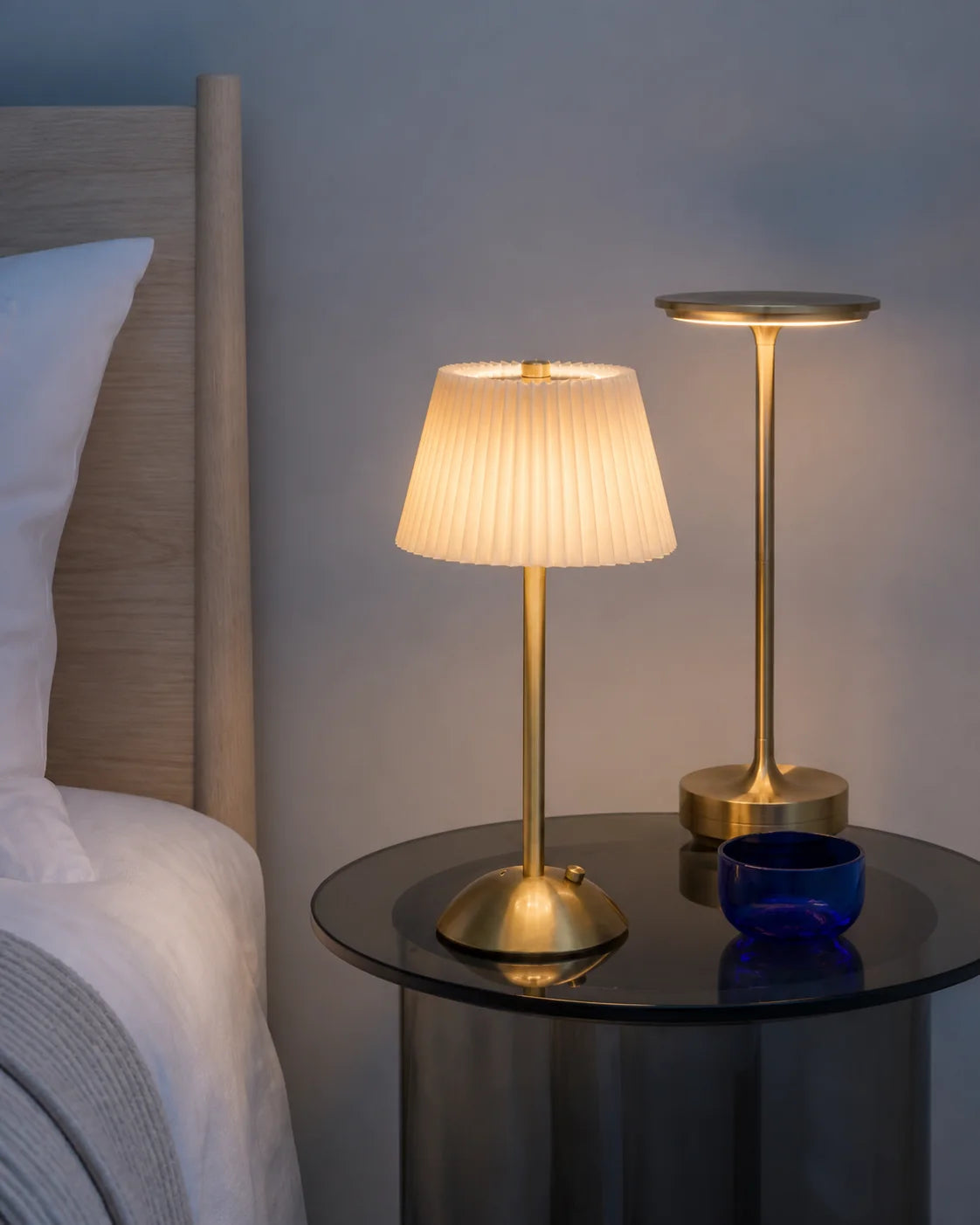
Height should help the meal rather than block conversation. Keep taller pieces near the end of the table or move them aside once everyone is seated. A warm gold detail can connect the stand to cutlery or a lamp nearby without requiring every metal finish to match.

Leave room for the meal to change
The most inviting table is not finished before anyone sits down. Plates move, serving bowls arrive and glasses are refilled. Begin with fewer objects than the surface can hold, then allow the meal to complete the arrangement.
A useful rule is to choose one quiet family of shapes, one repeated colour and one moment of contrast. It may be a floral plate against a gray bowl, a red tea set among monochrome leaves or a bright fish platter surrounded by simple ceramics. The table will feel collected rather than coordinated, and every piece will still have a practical role.